


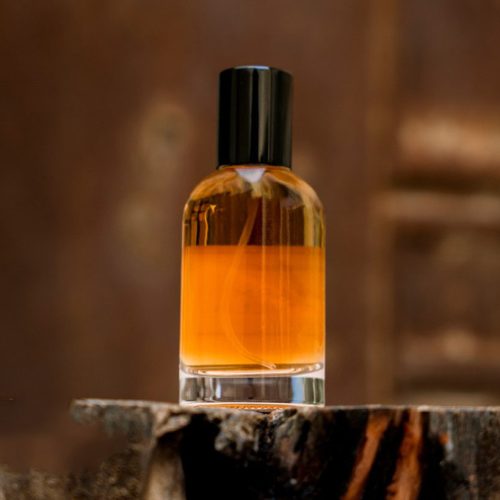
Ambergris: Would You Wait by the Sea for a Free Treasure of Perfume?
Imagine walking along a quiet beach and finding a strange, waxy lump on the sand. It may look simple or even unpleasant. But that object



Hydrolyzed keratin is a protein made from natural keratin that has been broken into smaller pieces through a process called hydrolysis. This process breaks the protein bonds, creating smaller peptides and amino acids. These smaller pieces are easier for the skin, hair, or body to absorb and use.

Hydrolyzed keratin is made of small peptides and amino acids that can easily penetrate hair, skin, and nails because of their small size and water solubility.
Penetration and Absorption:
Hair: It goes into the cuticle and cortex, repairing damage and filling in gaps caused by heat, coloring, or styling.
Skin: It reaches the epidermis, providing hydration and amino acids to help repair cells.
Nails: It binds to nail keratin, making nails stronger and less brittle.
Bonding with Natural Keratin:
Hydrogen bonds: Amino acids in hydrolyzed keratin attach to natural keratin in hair, skin, and nails.
Cysteine bridges: Rich in cysteine, it helps restore disulfide bonds, improving strength and elasticity.
Repair and Strengthening:
Hair: Fills gaps and cracks, reduces brittleness, and makes hair less porous.
Skin: Supports repair, making skin smooth and hydrated.
Nails: Reinforces structure, strengthening weak nails.
Moisture Retention:
The peptides attract and hold water, keeping hair hydrated, skin elastic, and preventing dryness.
Protective Coating:
Hydrolyzed keratin forms a thin protective layer on hair and skin that:
Shields from UV rays, pollution, and heat.
Protects against chemical treatments or harsh products.

Fills in gaps and cracks in the hair shaft, reducing brittleness and split ends.
Restores disulfide bonds, improving hair elasticity and resilience.
Makes hair smoother, shinier, and less frizzy.
Provides amino acids and moisture, helping skin stay soft, smooth, and supple.
Reinforces keratin in nails, reducing brittleness and breakage.
Forms a thin protective layer that shields hair and skin from heat, UV rays, pollution, and chemicals.
Supplies essential building blocks for hair, skin, and nail repair and maintenance.

Used in shampoos, conditioners, hair masks, and leave-in treatments.
Repairs damaged hair, strengthens strands, reduces breakage, and adds shine and smoothness.
Found in lotions, creams, serums, and masks.
Provides amino acids and moisture, helping skin stay soft, hydrated, and smooth.
Included in nail strengtheners, cuticle creams, and treatments.
Reinforces nail structure, reduces brittleness, and improves nail durability.
Used in salon hair treatments for deep repair and keratin smoothing.
Can improve hair texture, manage frizz, and protect against chemical or heat damage.
Acts as a functional ingredient in makeup or personal care products for added hydration and protection.
Imagine walking along a quiet beach and finding a strange, waxy lump on the sand. It may look simple or even unpleasant. But that object
Flavors, fragrances, and cooling ingredients are widely used to create fresh and pleasant experiences. Menthyl Acetate is a popular ingredient because of its fresh mint
Cooling ingredients widely use in skincare, body care, hair care, oral care, and other personal care products. When people use these products, they may feel
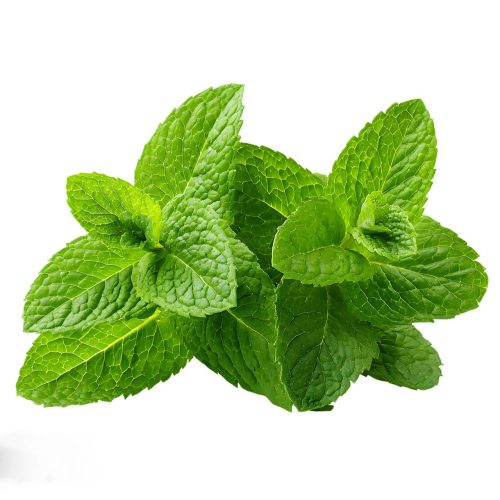
Cooling has long been an important part of personal care products. From toothpaste to skincare and body care, a cooling feeling can make a product